













Semi-Supervised Learning Template for PPT & Google Slides
Whether you are teaching a machine learning class, briefing stakeholders, or presenting research results, this Semi-Supervised Learning Template helps you explain one of the most practical ideas in modern AI: training better models without labeling every data point. Data scientists, ML engineers, analysts, AI educators, product managers, and technical trainers can all use it to make the concept clear to both technical and non-technical audiences.
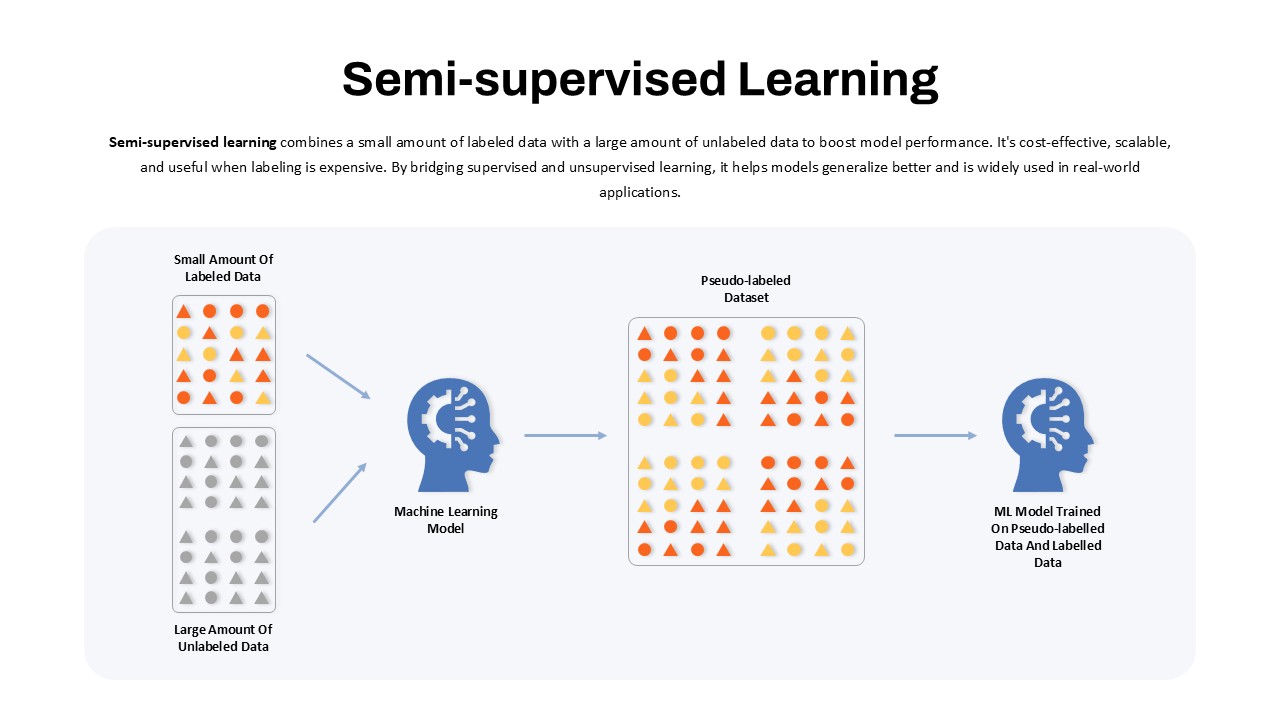
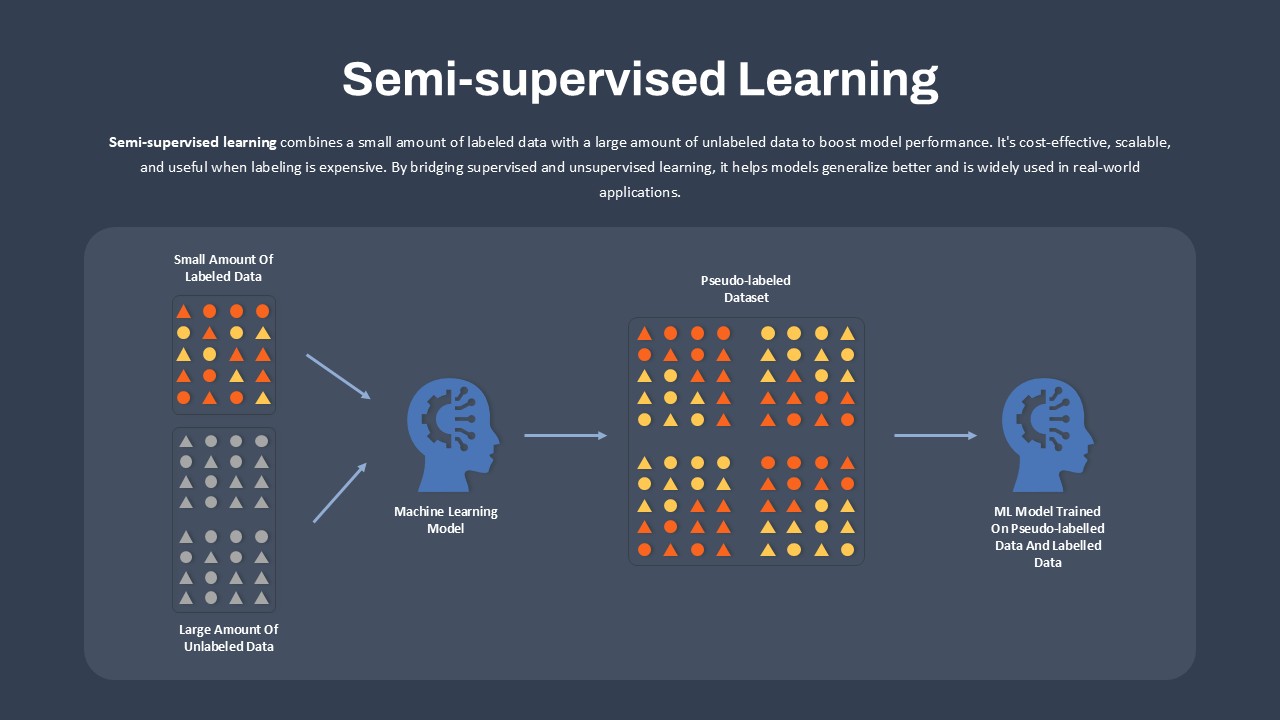
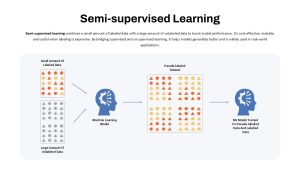
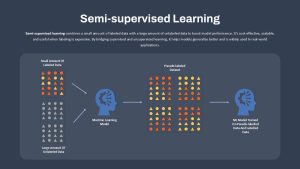
The diagram walks viewers through the full process in four connected stages:
- Labeled input: A panel of colored data points represents the small, labeled dataset the model learns from first.
- Unlabeled input: A second panel of grayscale observations shows the much larger pool of data without labels.
- Pseudo-labeling: Both inputs flow into a central ML model icon, which predicts color-coded labels for the unlabeled points and creates a unified pseudo-labeled dataset.
- Enhanced model: A final arrow leads to an improved ML model trained on the combined data, highlighting gains in generalization along with the need to manage error propagation.
Customization is simple because every element of the Semi-Supervised Learning Template sits on editable master slides. Change data-point shapes to circles, triangles, or squares for different feature types, apply gradients to show confidence thresholds or class probabilities, and update captions with dataset sizes, algorithm names, or experiment results. A rounded background container, ample white space, consistent line weights, and modern typography keep the layout clean and easy to follow on any device.
Beyond pseudo-labeling, the Semi-Supervised Learning Template adapts to active learning cycles, hybrid labeling strategies, model retraining workflows, transfer learning stages, and generative modeling pipelines. It is also a strong visual for comparing supervised, unsupervised, and semi-supervised approaches, showing why this Semi-Supervised Learning Template is a valuable addition to any data science presentation library.
Login to download this file

Item ID
SB05018


Related Templates

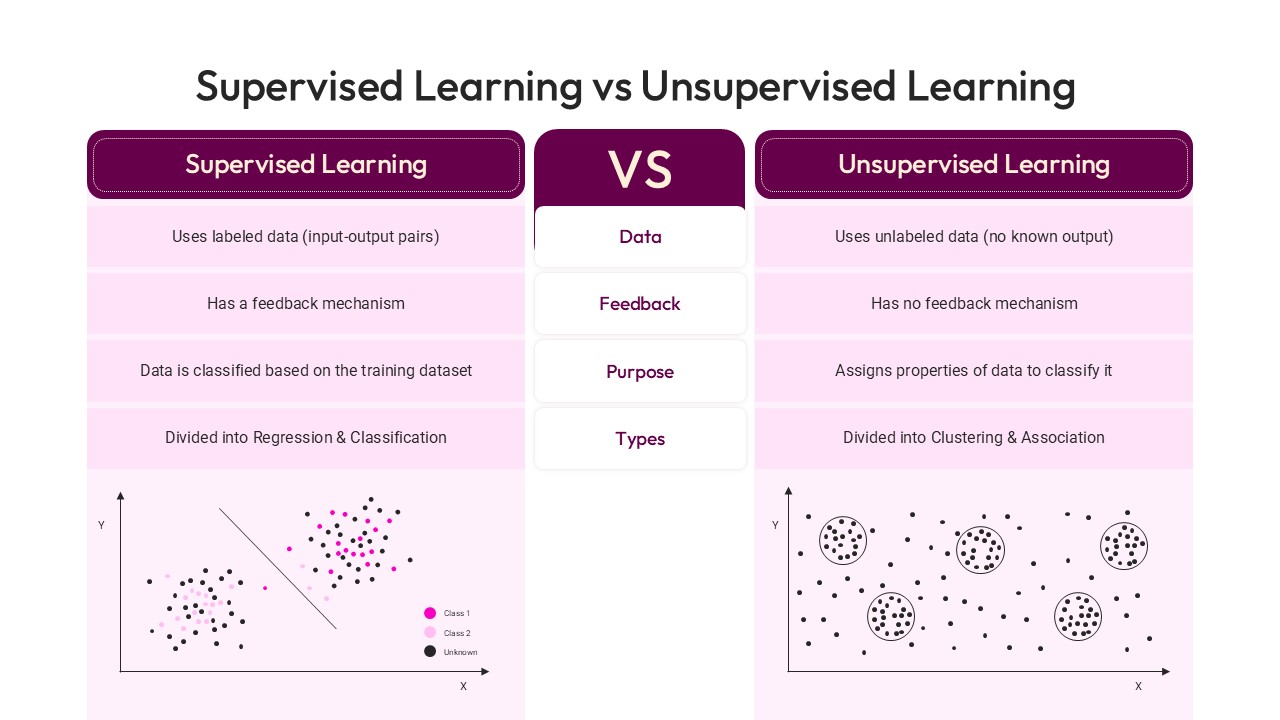
Supervised vs Unsupervised Learning Presentation Template
Technology
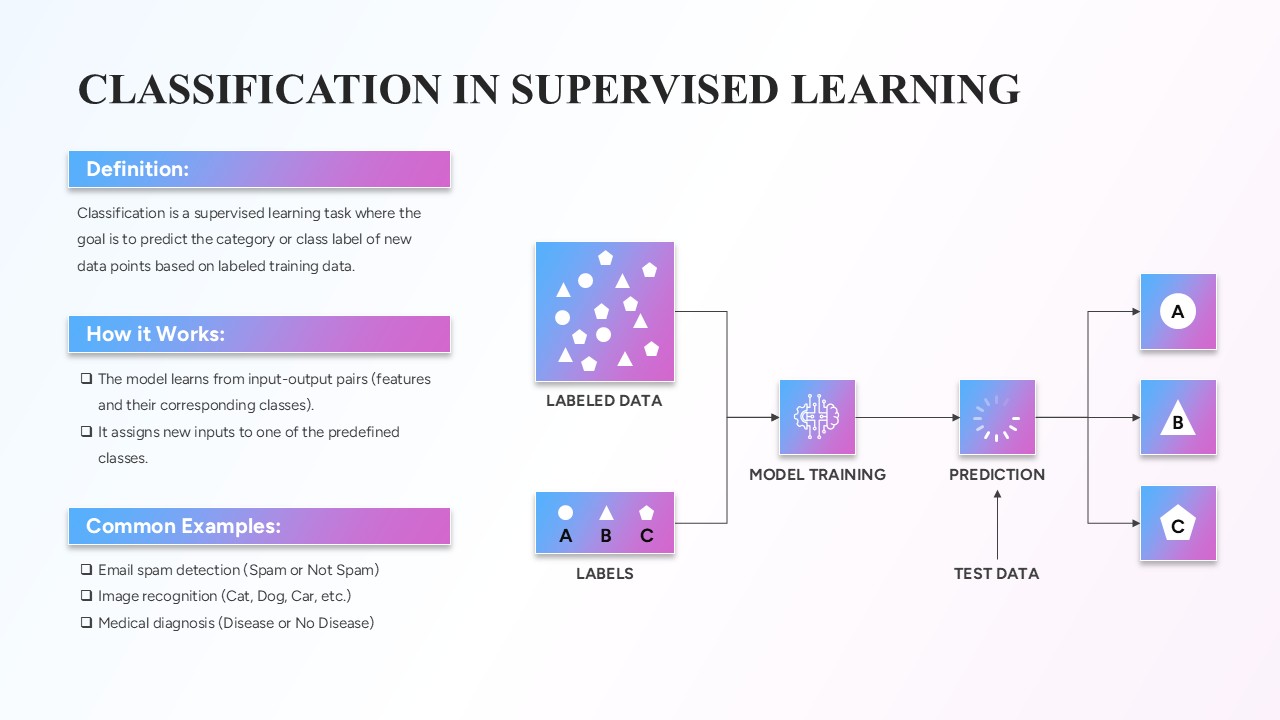
Classification in Supervised Learning PowerPoint Template
Infographics
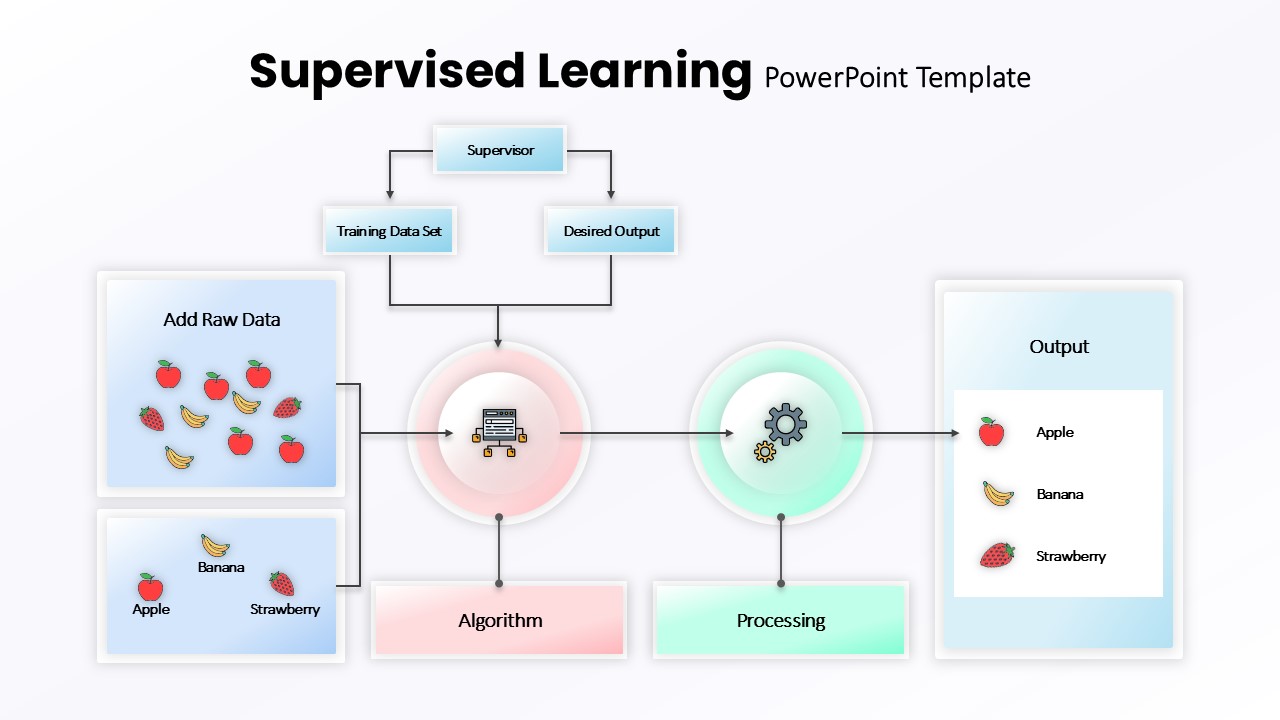
Supervised Learning template for PowerPoint
Technology
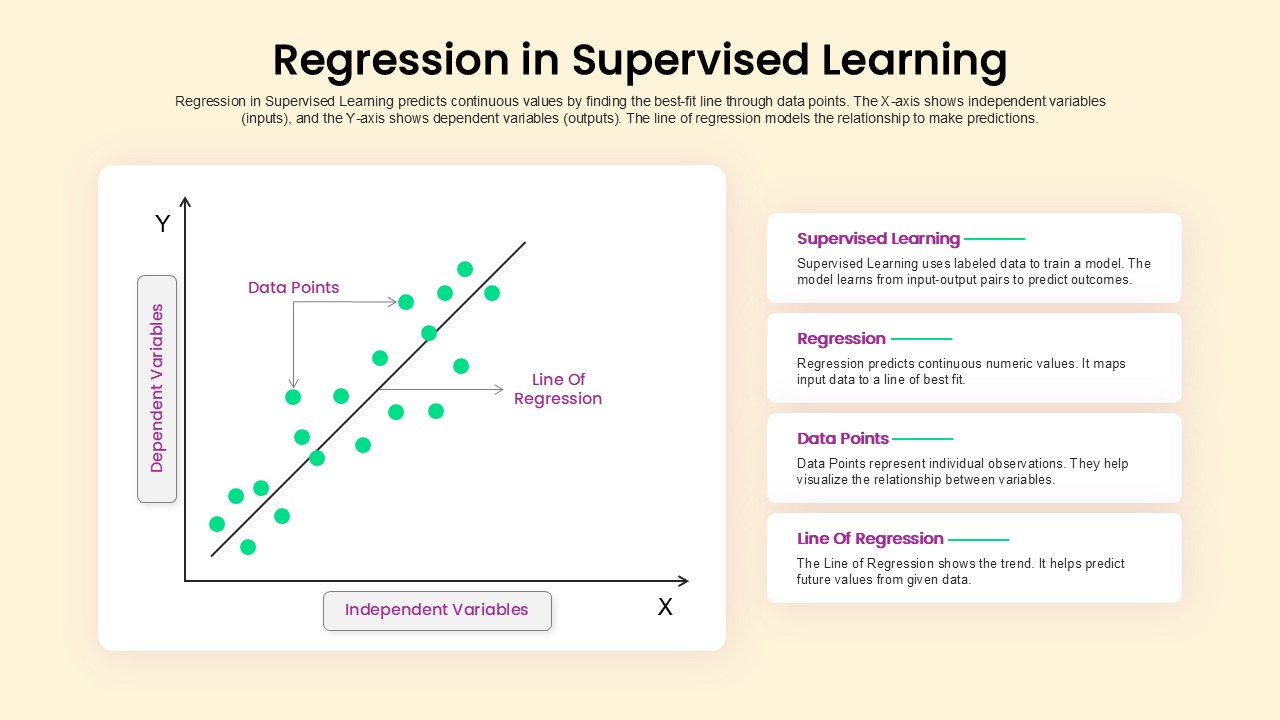
Regression in Supervised Learning Overview template
Process
Self-supervised Learning Process Template
Technology
Decision Trees in Supervised Learning PowerPoint Template
Machine Learning
Two-Stage Semi-Circle Diagram Overview Template for PowerPoint & Google Slides
Circular
Modern Semi Circle Infographic Template for PowerPoint & Google Slides
Circular
6 Staged Semi Circle Diagram PowerPoint Template with Icons
Circular
7 Step Semi Circle PowerPoint Template
Process
5 Staged Semi Circle Diagram for PowerPoint
Process
Machine Learning Overview Template PPT & Google Slides
Machine Learning
Social Learning Theory PowerPoint Template and Google Slides
Circular
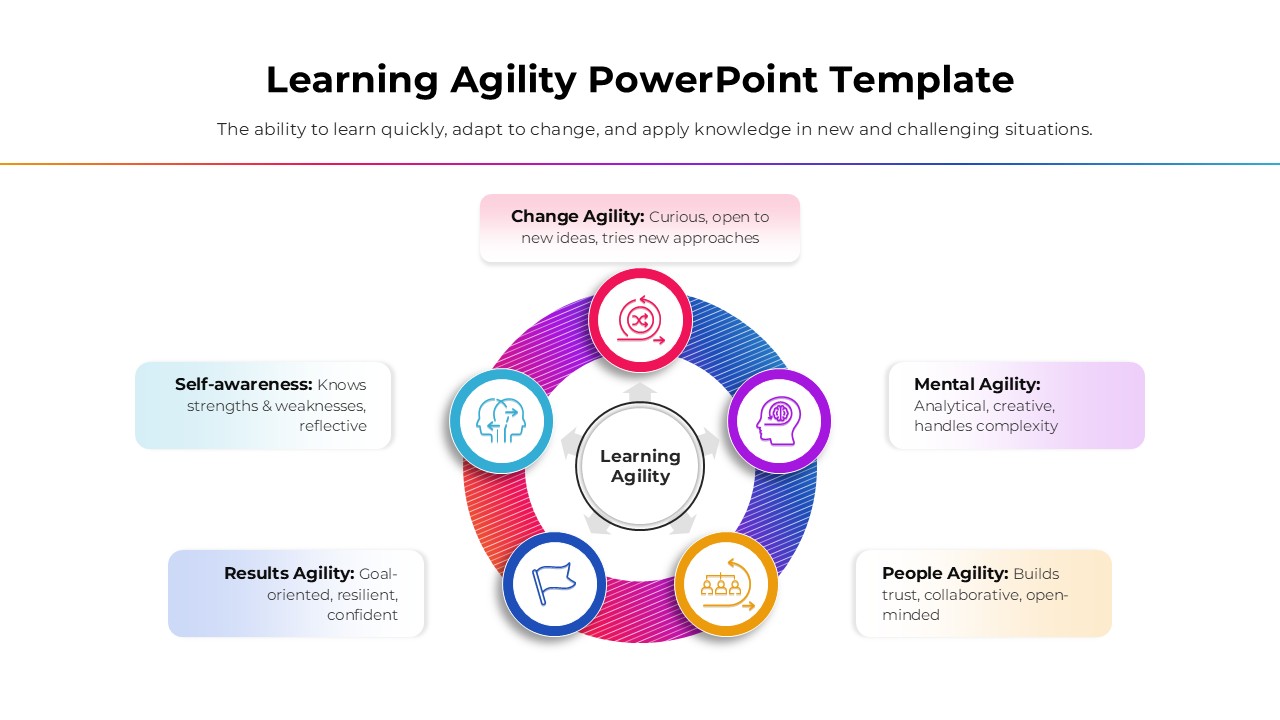
Learning Agility PowerPoint Template
Business
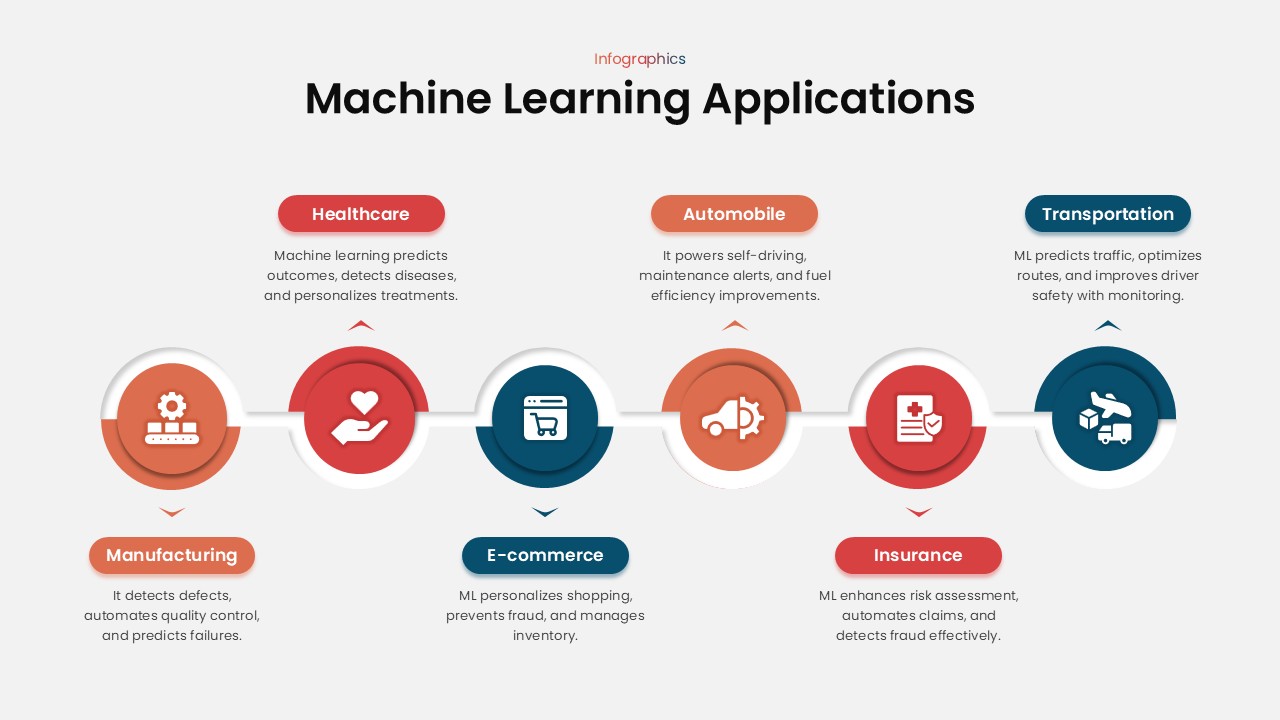
Machine Learning Applications PowerPoint Template
Technology
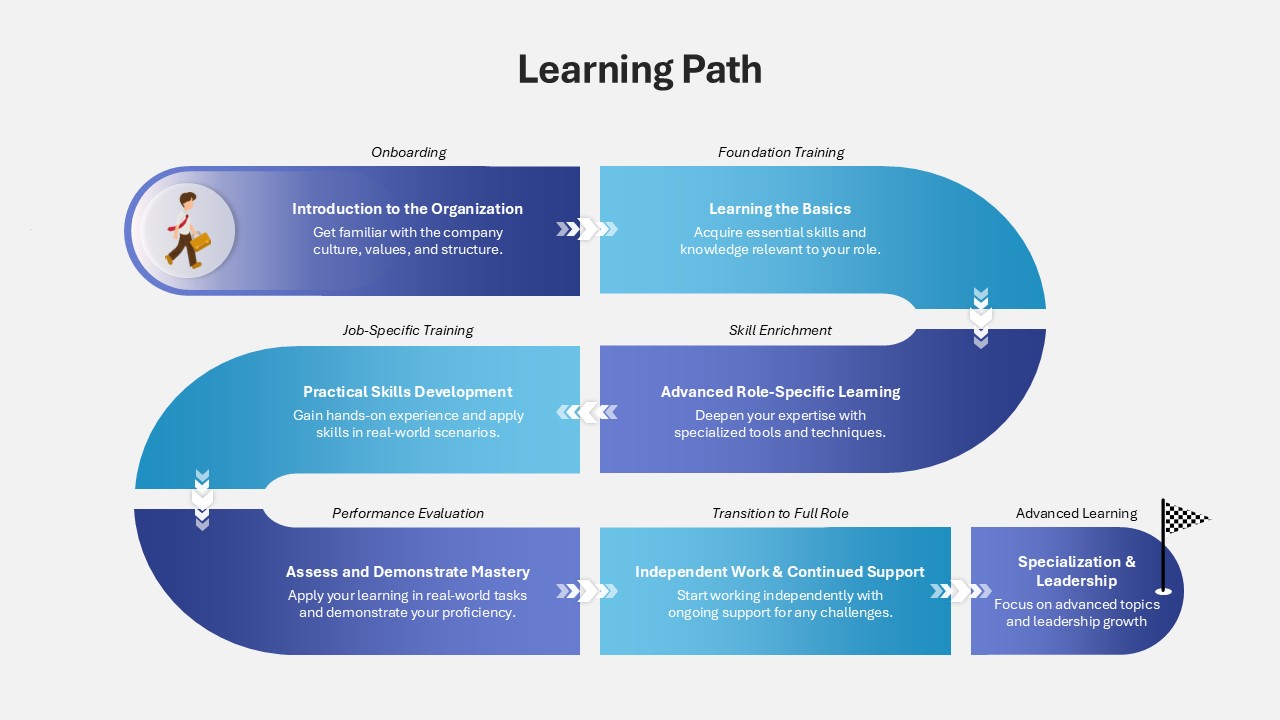
Learning Path PowerPoint Template
Process
Machine Learning Four-Step Process Template for PowerPoint & Google Slides
Machine Learning
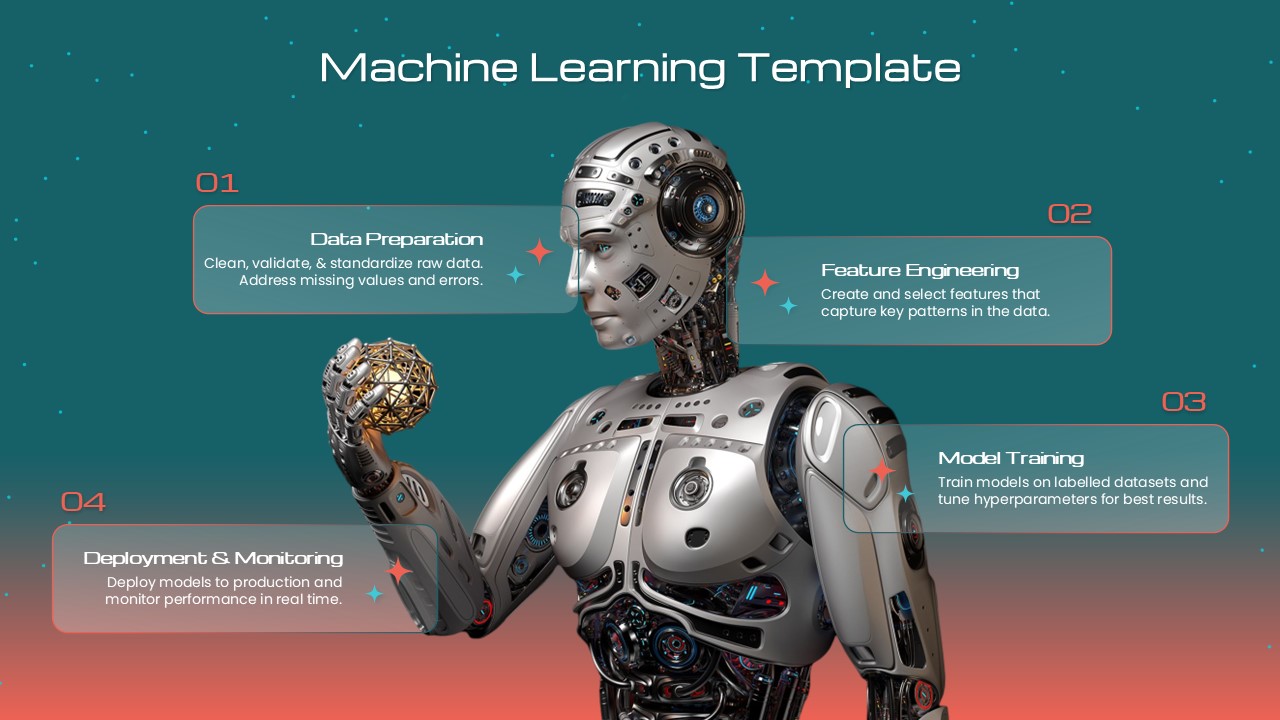
Machine Learning Template for PPT & Google Slides Theme
Machine Learning
Machine Learning Process Template for PowerPoint & Google Slides
Machine Learning
Learning Curve Performance Growth Chart Template for PowerPoint & Google Slides
Employee Performance