






Modern GraphQL Architecture API Diagram Template
Modern GraphQL Architecture API Diagram Presentation Slide Template For PowerPoint & Google Slides
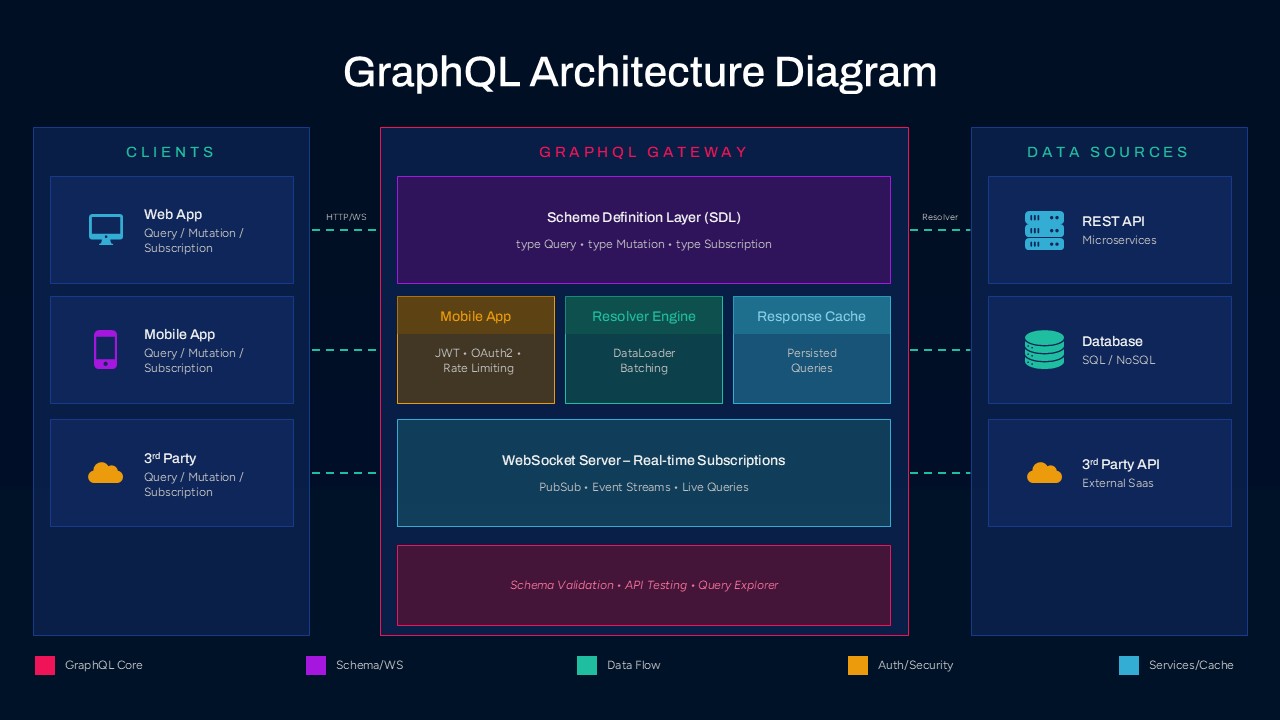
Built specifically for technical pitch decks and engineering reviews, this Modern GraphQL Architecture API Diagram Presentation Slide Template delivers a ready-to-use visual layout for PowerPoint and Google Slides. Instead of building complex software schemas from scratch, presenters can use this pre-formatted presentation template to clearly map client interfaces, gateway resolvers, and microservice connections in front of stakeholders and development teams.
Slide Layout & Vector Diagram Breakdown
This presentation slide features a modular, three-column system diagram designed for effortless scannability during live talks:
- Frontend Client Tier Pods: The left column organizes client platforms with editable vector icons for Web Apps, Mobile Apps, and 3rd Party integrations, complete with pre-set callouts for Query, Mutation, and Subscription requests.
- GraphQL Gateway Centerpiece: A prominent central slide container illustrates core gateway mechanisms, including the Schema Definition Layer (SDL), Resolver Engines, DataLoaders, JWT authentication, and response cache tiers.
- Real-Time Subscription Container: A dedicated lower module highlights WebSocket server operations, PubSub event streams, and live query processes.
- Backend Data Sources Column: The right column provides structured endpoint shapes for microservices, REST APIs, SQL/NoSQL databases, and external cloud SaaS APIs.
- Color-Coded Component Legend: A footer navigation bar tags individual slide elements by functional layer, covering GraphQL Core, Schema/WS, Data Flow, Auth/Security, and Services/Cache.
Ideal Slide Deck Applications
- Engineering Architecture Pitches: Present unified API layer migrations and system roadmaps to technical directors, CTOs, and cross-functional project teams.
- Developer Onboarding Presentations: Train new engineering recruits by providing an accessible, high-level walkthrough of internal services, schema models, and data pipelines.
- Investor & Client Tech Briefings: Demonstrate scalable, enterprise-grade cloud architecture during software pitches, technical audits, and RFP proposals.
Presentation Template Features & Customization
- 100% Editable Vector Assets: Created for Microsoft PowerPoint and Google Slides, allowing you to resize containers, reroute connector arrows, swap glyphs, and modify text placeholders without quality loss.
- High-Contrast Dark Mode Slide: The clean navy background and vivid accent colors ensure sharp readability on conference room displays and virtual screen shares.
Check out more software development presentation slides here.
Frequently Asked Questions
Can I customize the components shown in the GraphQL architecture diagram?
Is this template suitable for presenting to non-technical stakeholders?
Login to download this file

Item ID
SB05898Designed By
Naseeba Sithara


Related Templates

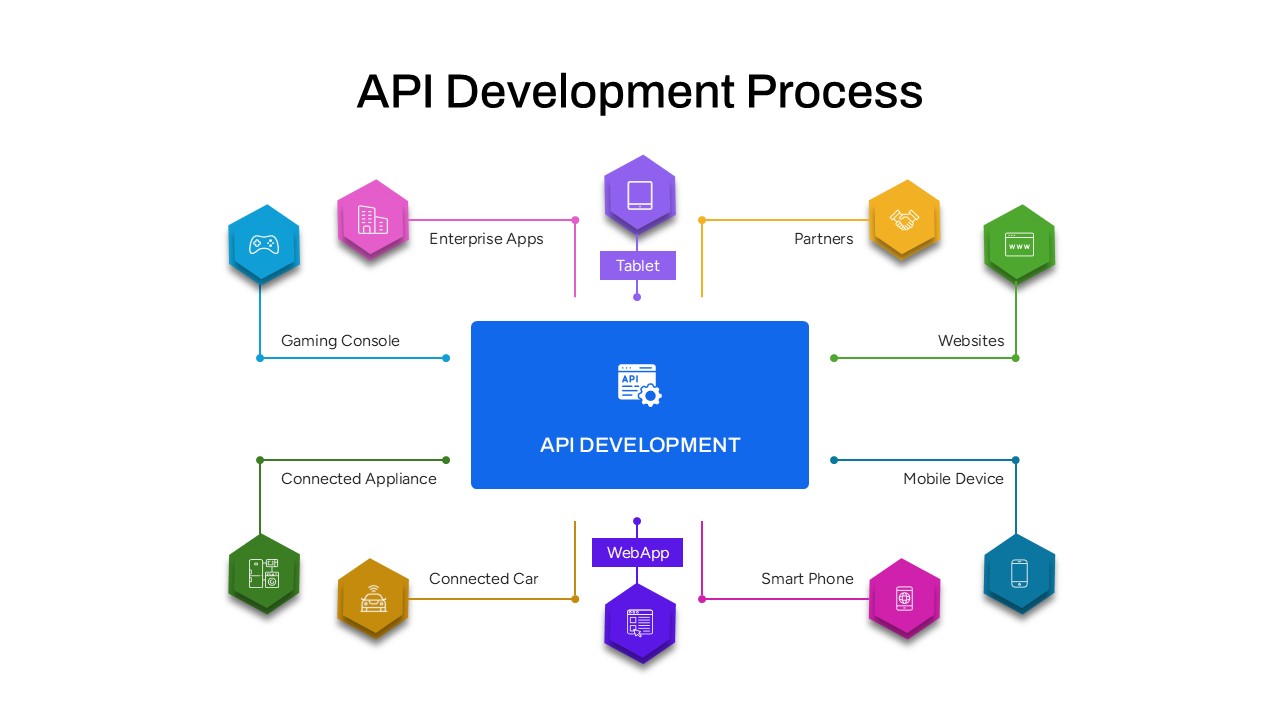
API Development Process Template
Software Development
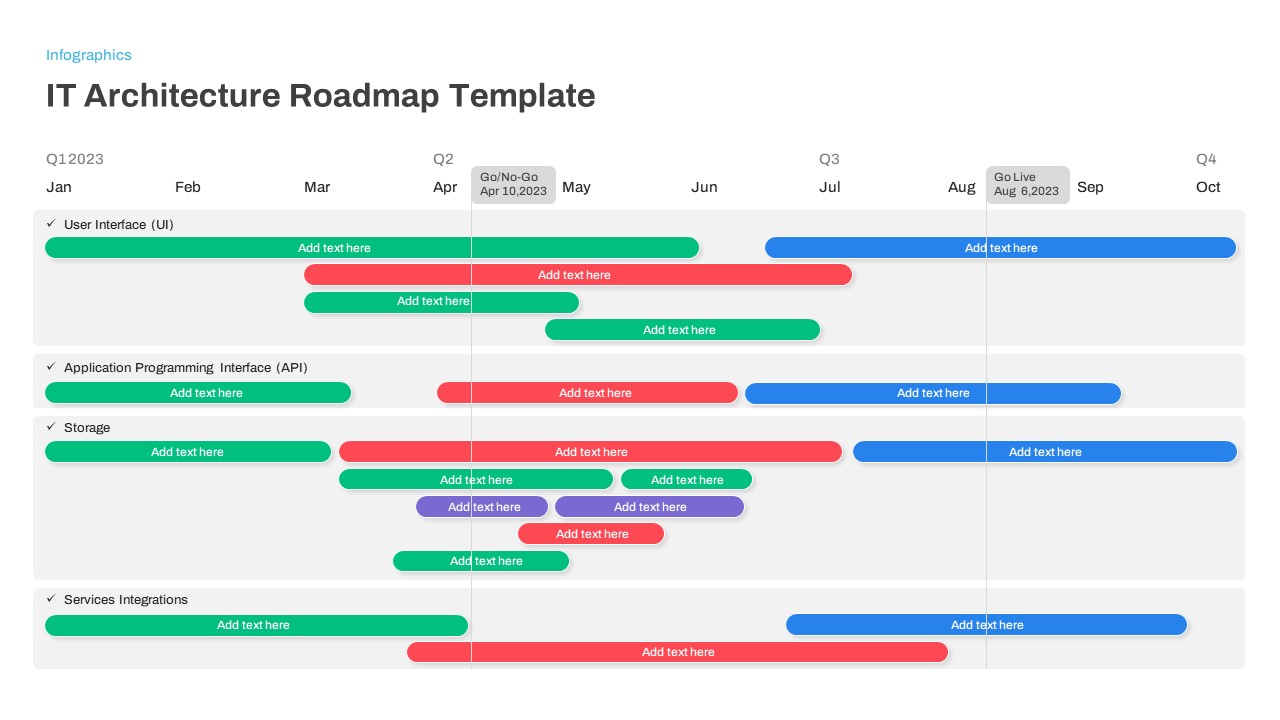
Modern IT Architecture Roadmap Template for PowerPoint & Google Slides
Roadmap
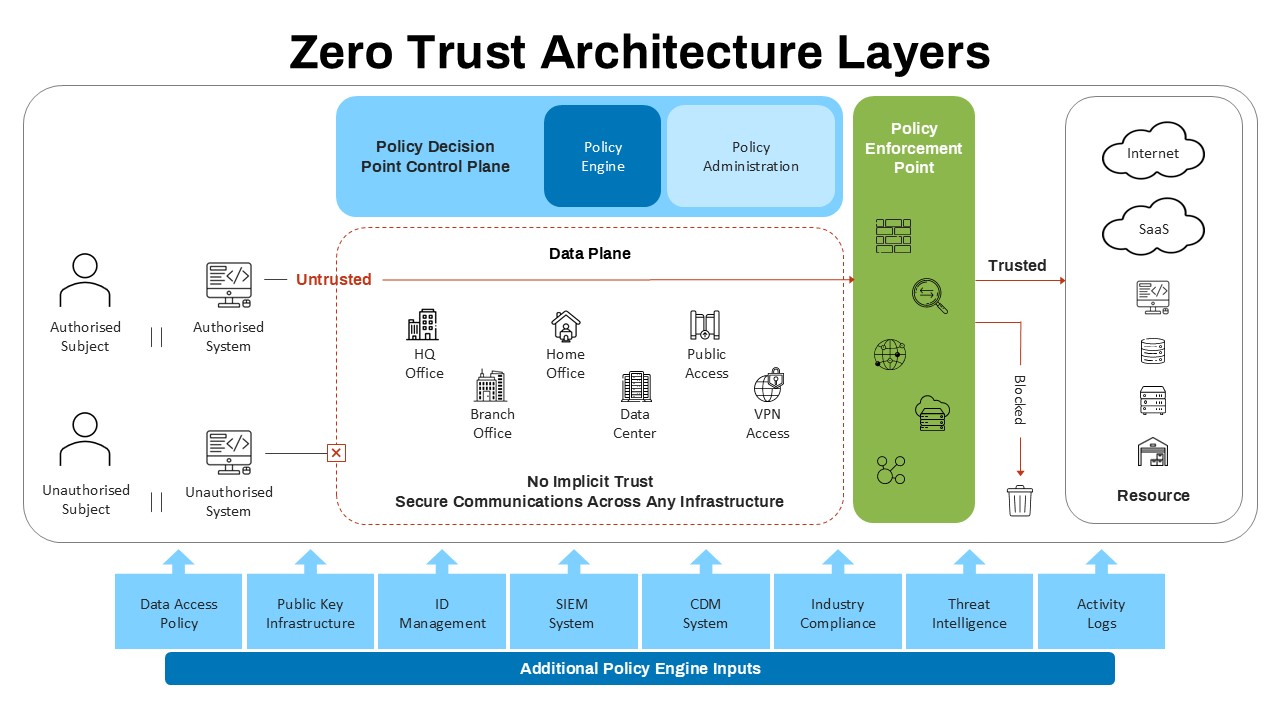
Zero Trust Architecture Diagram Template
Technology
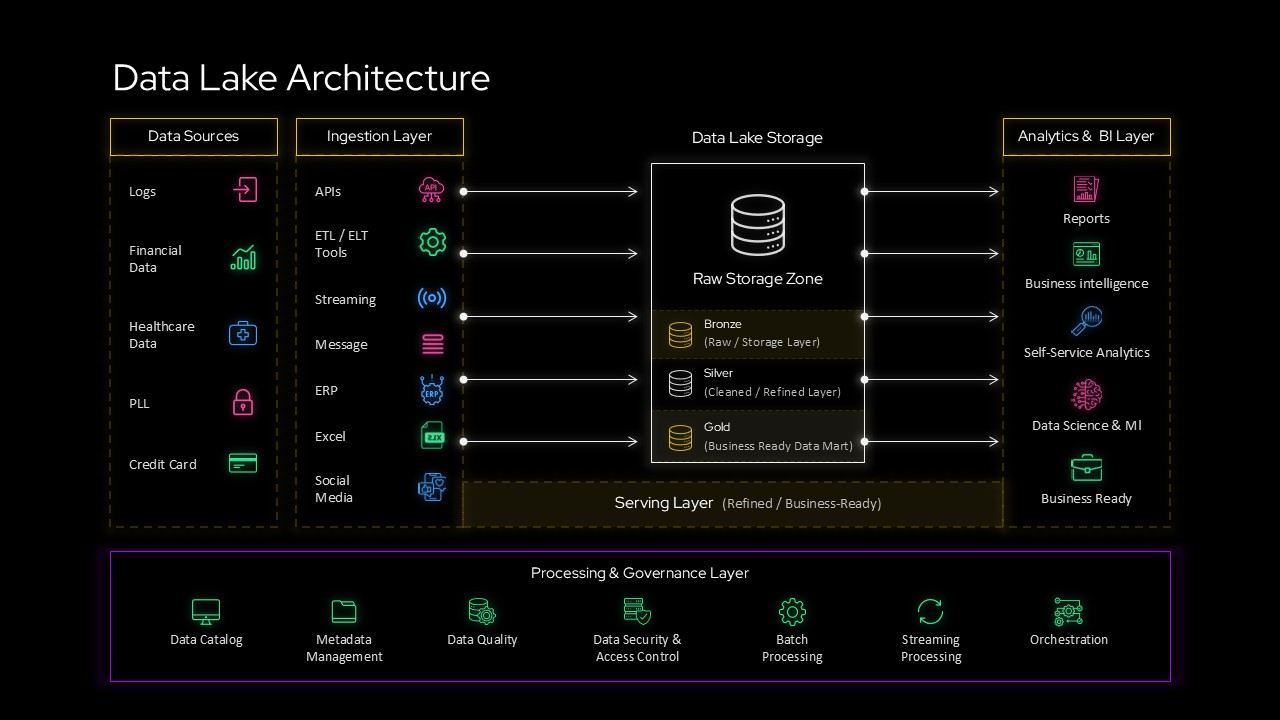
Data Lake Architecture Diagram for PowerPoint & Google Slides
Information Technology
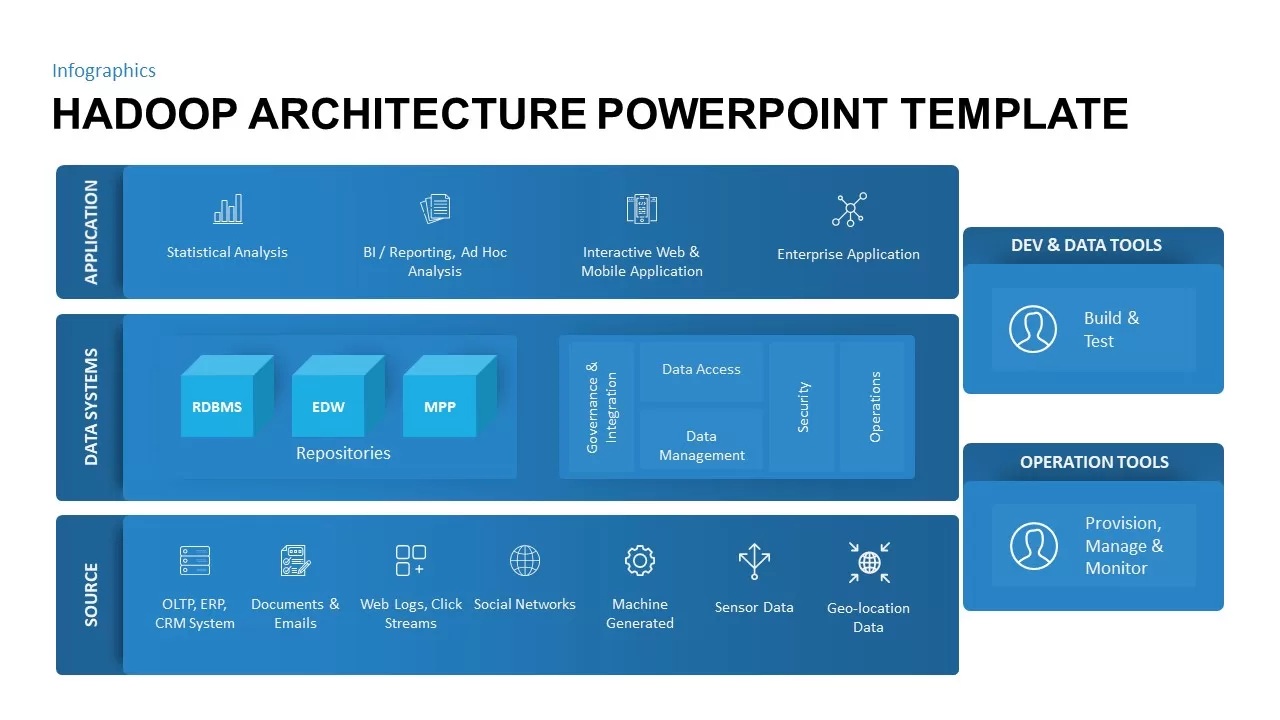
Hadoop Architecture PowerPoint Diagram
Infographics
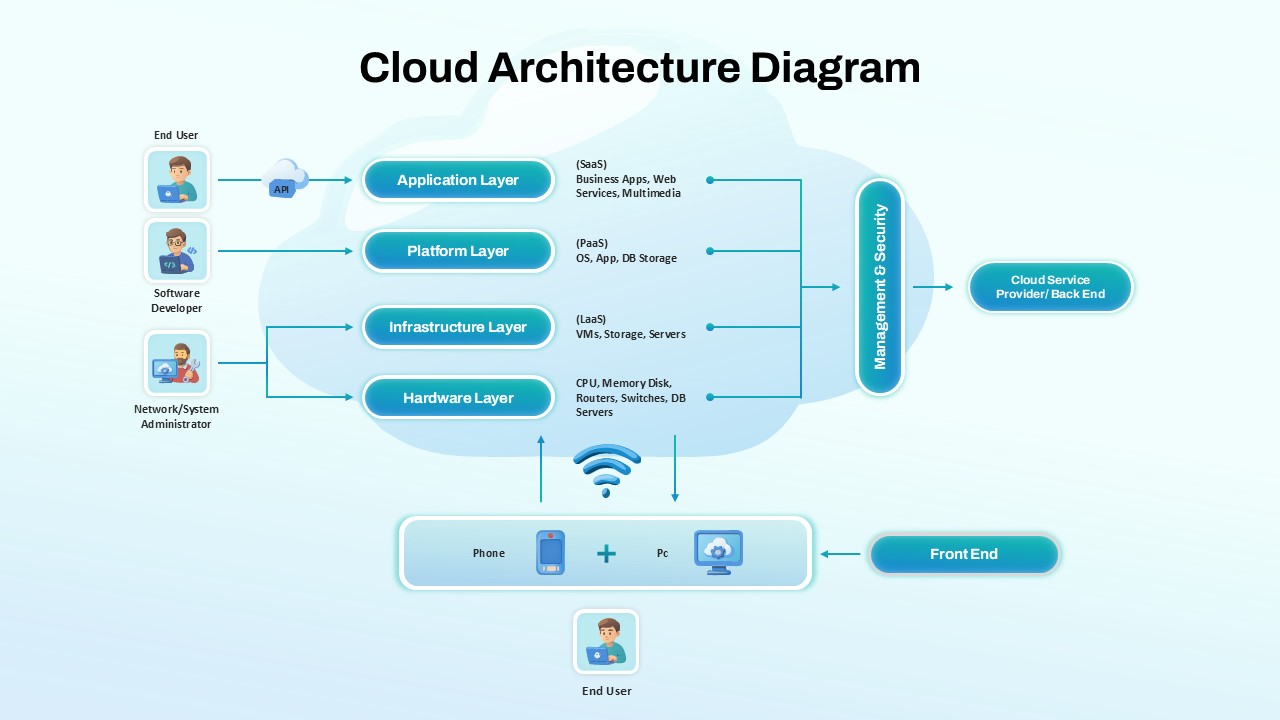
Cloud Architecture Diagram for PowerPoint
Cloud Computing
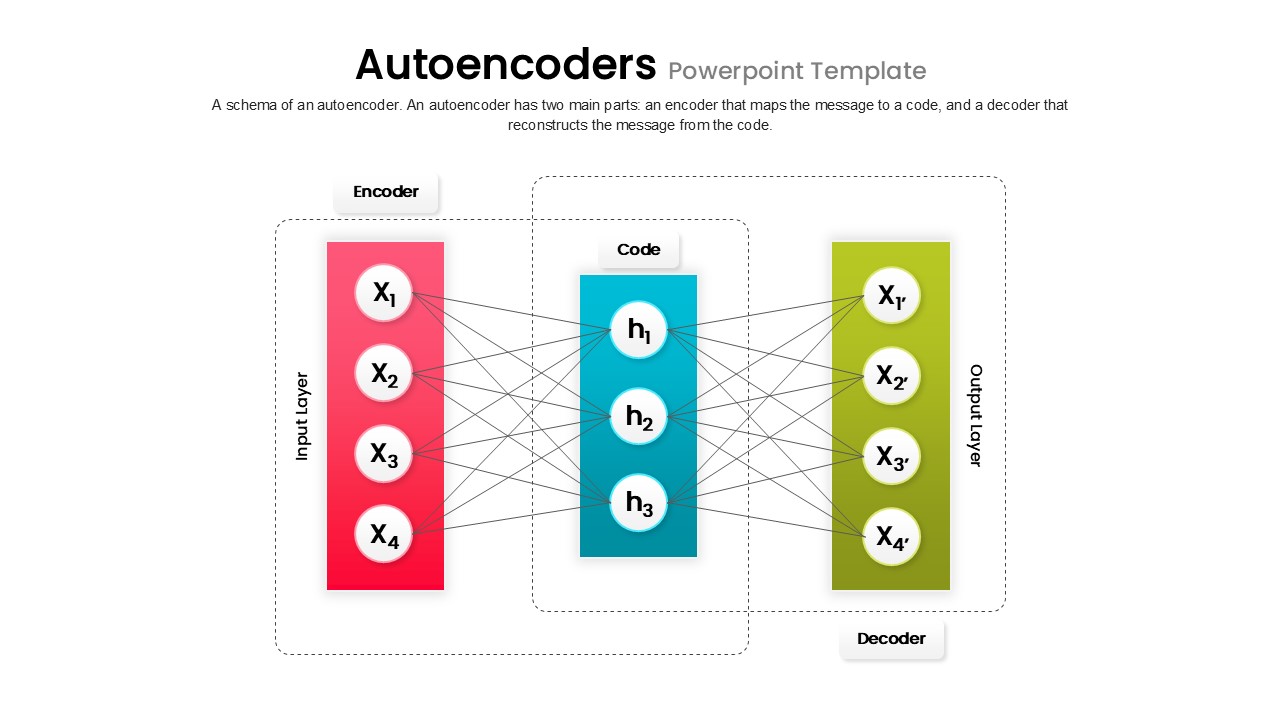
Autoencoder Architecture Diagram
Information Technology
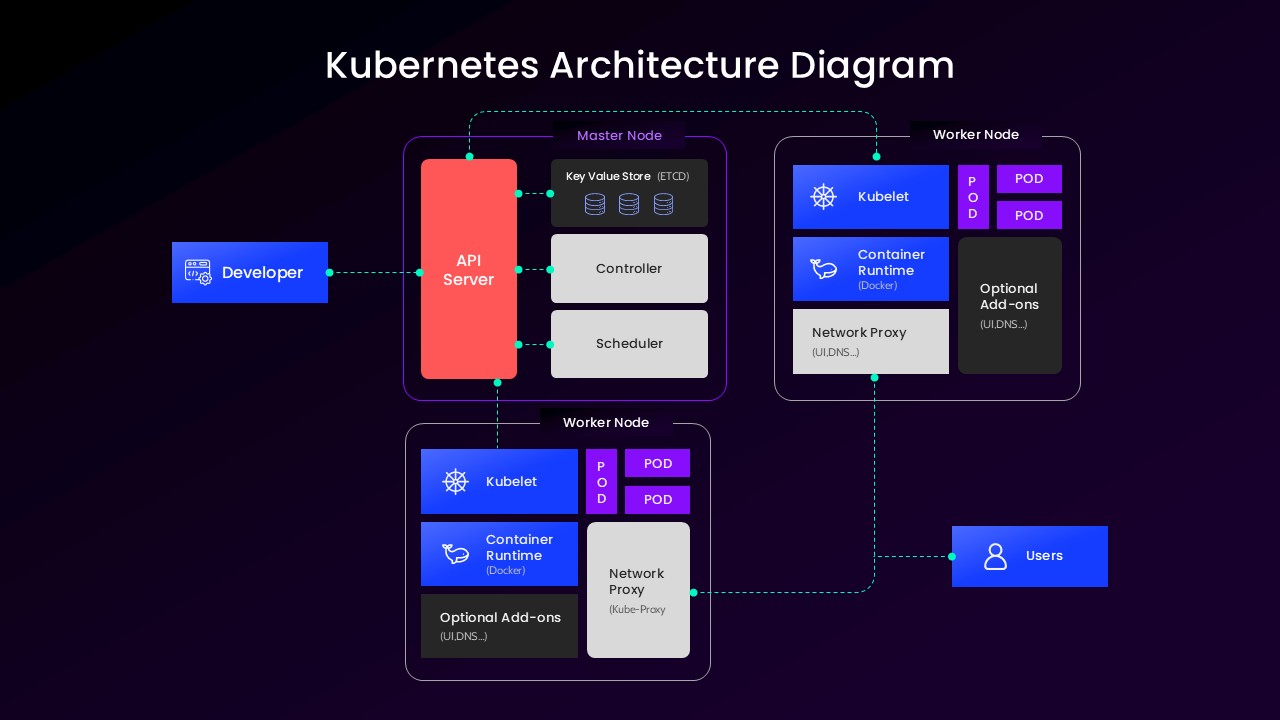
Kubernetes Architecture Diagram for PowerPoint
Software Development

Architecture Theme Design PowerPoint Template
Background
Architecture Studio Presentation Template
Company Profile

Architecture Presentation Template
Company Profile
Free Architecture Pitch Deck PowerPoint Template
Company Profile
Free
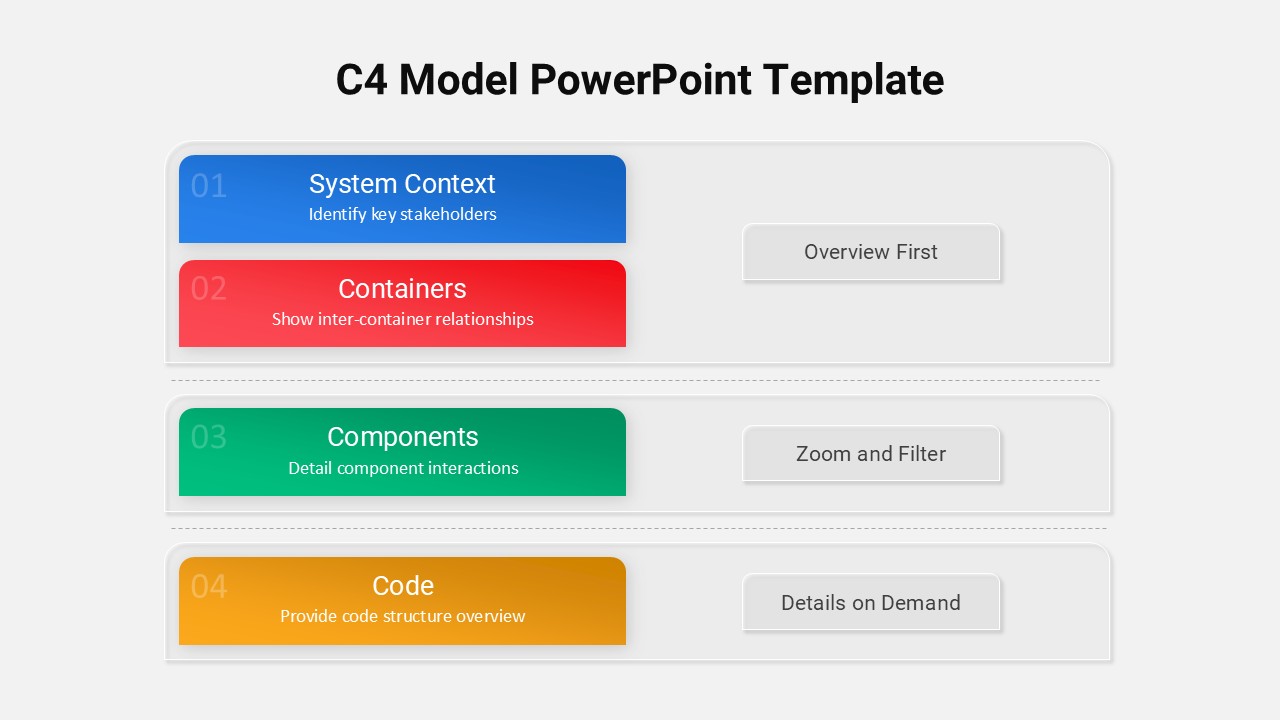
C4 Model Architecture Overview Template for PowerPoint & Google Slides
Software Development
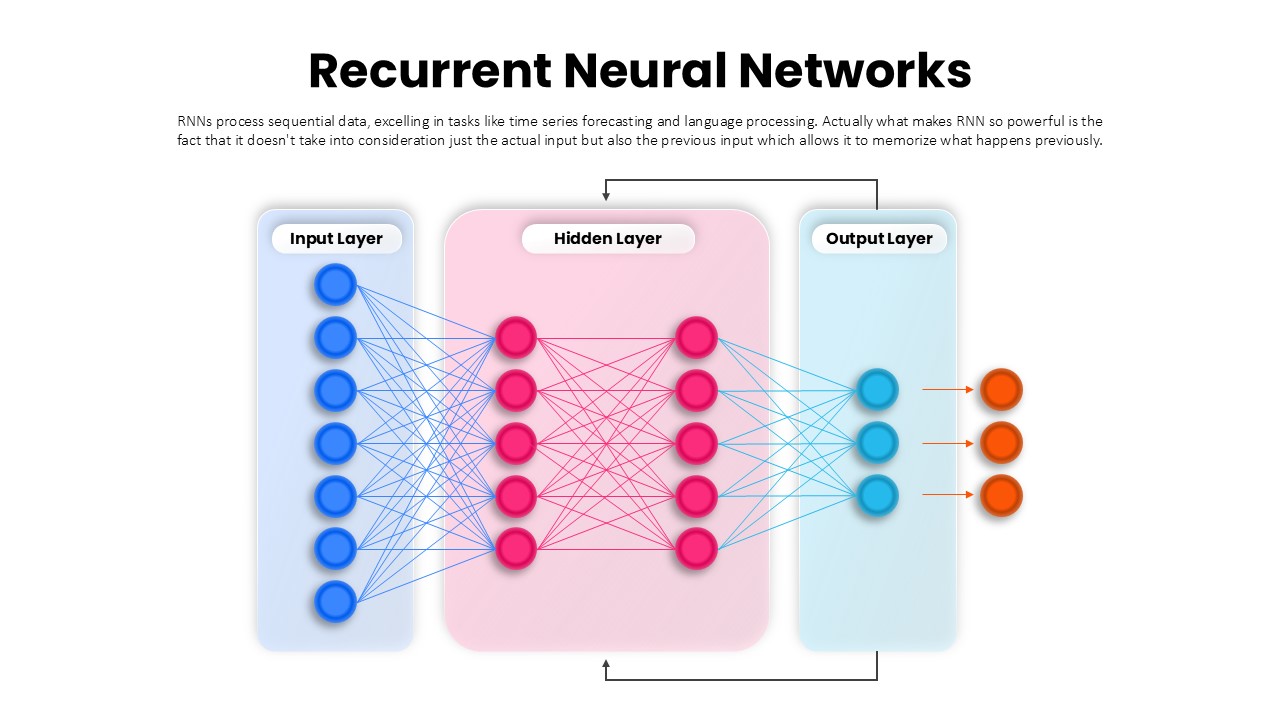
Recurrent Neural Network Architecture PowerPoint Template
Google Slides
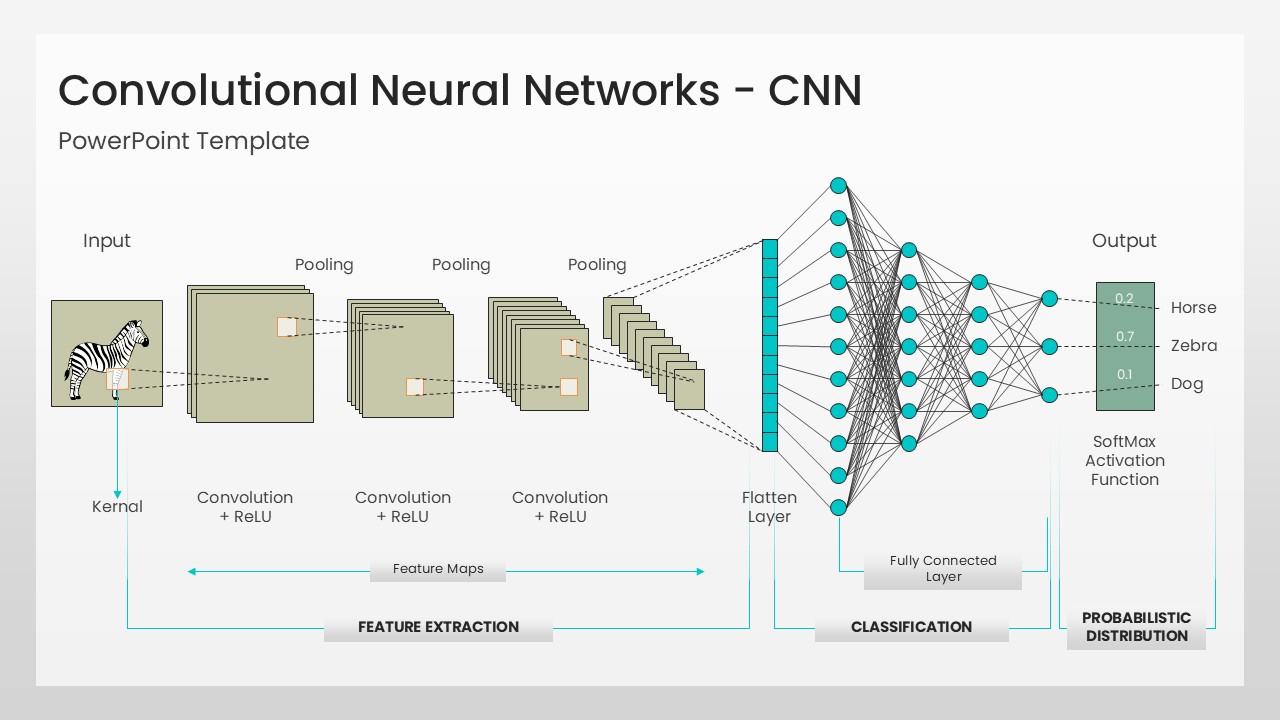
CNN Architecture PowerPoint Template for Deep Learning Presentations
Machine Learning
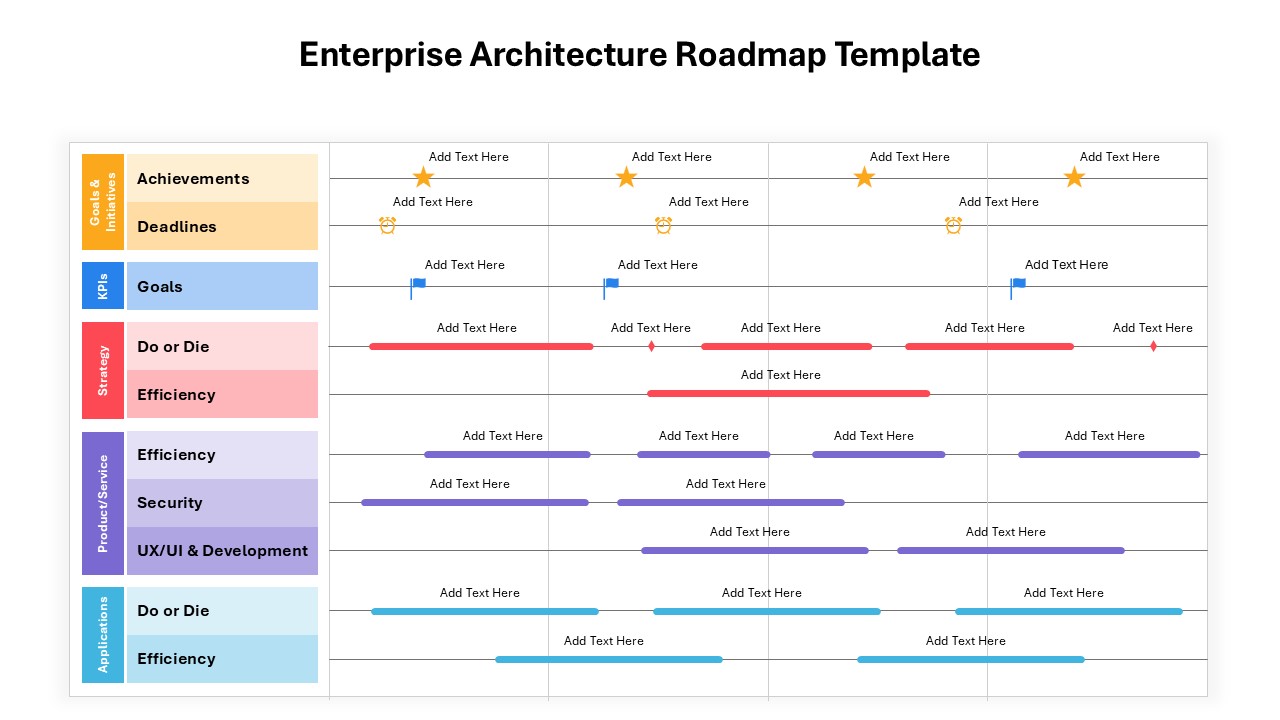
Enterprise Architecture Roadmap PowerPoint Template
Roadmap
Serverless Computing Architecture PowerPoint Template
Software Development
Modern 4-Step Cyclic Process Diagram Template for PowerPoint & Google Slides
Circular
Modern Five-Step Growth Diagram Template for PowerPoint & Google Slides
Process
Modern Flower Petal Stages Diagram Template
Circular